
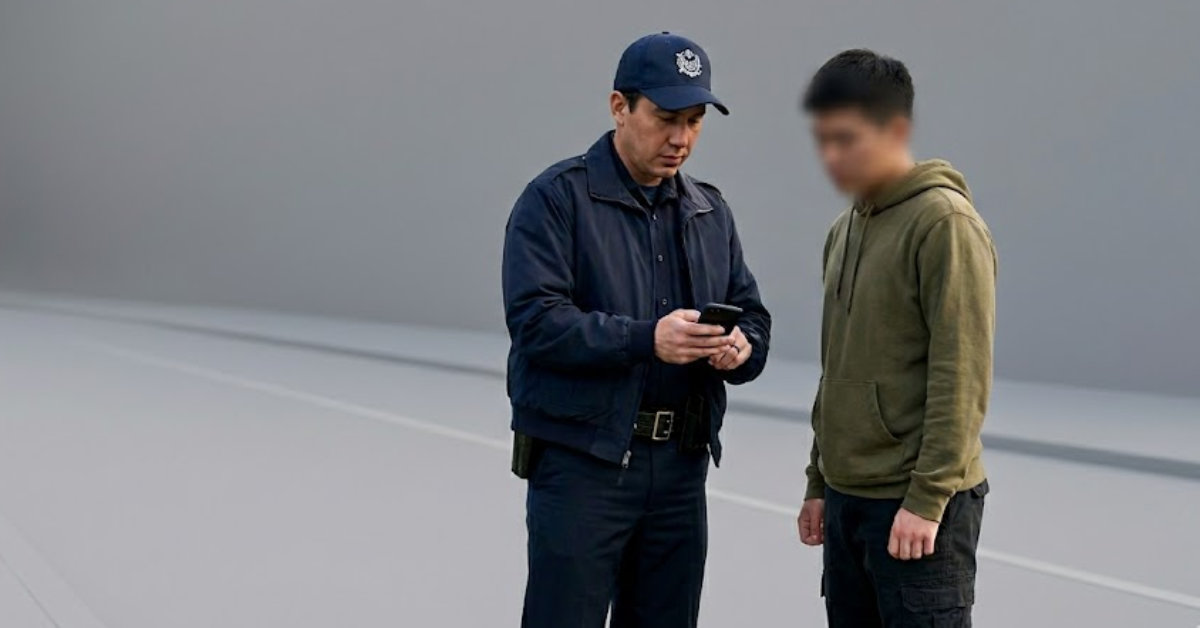
Many people worry about what happens if someone in a position of authority ever asks to see the contents of their phone. Whether it is at a checkpoint, during a routine check, or in some other situation, it can be hard to know how much to cooperate.
This is not legal advice, and it is focused on basic level obscurity. It is meant to make casual inspection harder, not to stop a full forensic investigation. If that matches your threat model, here are a few simple habits that can help.
Instead of keeping everything directly on your phone, store sensitive photos, documents, or messages in encrypted cloud storage. This can be an end to end or zero knowledge style service. This means the files are strongly protected and cannot be read by the cloud provider or by anyone who only has physical access to your device.
Encrypt files before uploading when possible, for example with password protected ZIPs or encrypted containers.
Use strong, unique passwords and avoid storing them on the same device you are worried about being checked.
If you use cloud storage, messaging apps, email, or any account that holds personal data, consider logging out after each session instead of leaving everything logged in.
This reduces the window in which someone can browse your live accounts if they gain temporary access to your unlocked phone.
Combine this with two factor authentication so that even if someone sees an account briefly, they cannot easily log in again from another device.
Where possible, avoid using dedicated apps for services that hold sensitive data. Instead, access them through a privacy focused browser such as Brave or Firefox Focus, and set it to automatically clear all data including history, cookies, and cached files after every session.
This means there is no stored login session, no cached thumbnails, and no browsing history left behind after you close the browser.
It also reduces the number of installed apps visible on your phone, which keeps things cleaner during a casual visual inspection.
This is optional, but some people keep a secondary account on their cloud or email service that contains only harmless, everyday files. If you ever feel pressured to show something, this gives you a layer of plausible separation from your actual private contents.
The goal is not to deceive anyone, but to have something neutral to show while your real sensitive data stays protected elsewhere.
This works best when combined with the browser habit above, so there is no trace of your primary account on the device.
Your phone itself is often the first line of defense.
Make sure full disk or file based encryption is enabled and use a strong PIN, password, or biometric lock.
Avoid leaving highly sensitive files unencrypted on the device. If you must keep them locally, either encrypt them manually or use a secure vault app.
This kind of setup is about basic level obscurity, not full proof security. It will not stop a determined forensic investigation, but it can make it much harder for someone to casually browse through your private life if your phone is ever checked or temporarily taken.
If you have developed your own habits or tools for protecting your phone contents in similar situations, please share them in the comments. It helps everyone build better, more informed privacy practices.
Note: This is general advice, not legal or technical guidance.